Do adults need a measles booster? It depends on the year you were vaccinated
With more than 6,000 U.S. measles cases this year, CDC guidance says two documented doses protect for life. The people who should look again are those vaccinated from 1963 to 1967, those with one dose who travel or work in health care, and anyone without records.
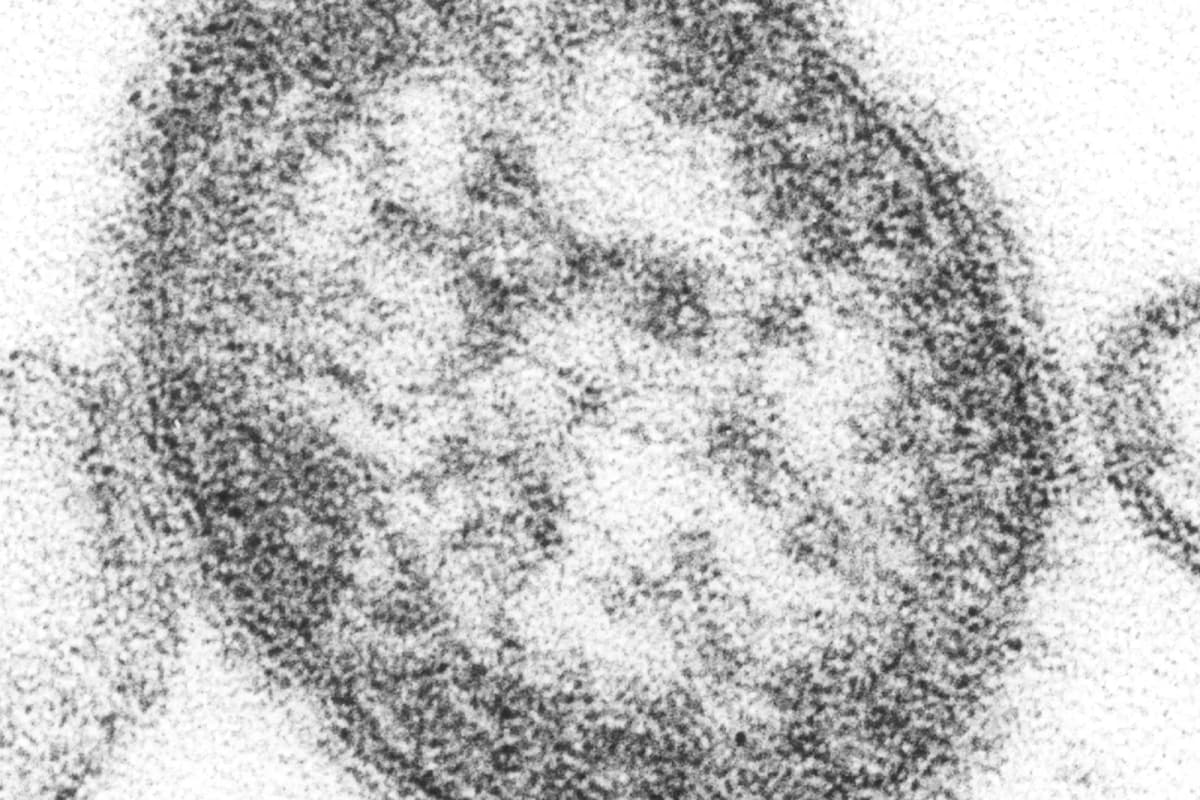
Most adults do not need a measles booster. According to the Centers for Disease Control and Prevention, anyone who received two doses of measles vaccine at 12 months of age or older should be protected for life and does not need another shot.
The exceptions come down to dates and paperwork: people who got an early vaccine that did not work, adults with only one dose who fall into higher-risk groups, and anyone who cannot find a record. The question is coming up again because confirmed U.S. cases this year have passed 6,000.
Why measles is back in the news
The CDC counted 6,039 confirmed measles cases in 2026 as of Nov. 24, reported by 47 jurisdictions, with 43 outbreaks and nine deaths. The agency notes the death count is subject to change.
On Nov. 17, the Pan American Health Organization said endemic transmission had been re-established in the United States, Mexico and Bolivia, which means all three have lost their measles elimination status. Under the criteria PAHO uses, that happens when the same lineage of the virus circulates without interruption for 12 months or more. The Americas had 58,213 confirmed cases and 82 deaths this year as of Nov. 13, compared with 12,806 cases in the same period of 2025.
"This is a serious warning for our Region, but it is not an irreversible setback," PAHO Director Dr. Jarbas Barbosa said.
Three days later, the Virginia Department of Health reported that a child under 5 who tested positive for measles had died, the state's first measles-associated death of 2026.
The 1963 to 1967 problem
The birth year and the vaccination year both matter, because the first measles vaccines were not all the same. Two were licensed in the United States in 1963: a live, weakened vaccine and an inactivated, or killed, one. An improved live vaccine developed by Maurice Hilleman's team has been the only one used in the country since 1968.
The CDC says the killed vaccine, available from 1963 to 1967, "was not effective," and that it was given to fewer than 1 million people. Its guidance:
- Vaccinated before 1968 with the killed vaccine, or with a vaccine of unknown type: Get revaccinated with the current MMR vaccine. The CDC's consumer page advises talking to a health care provider about it.
- Documented live vaccine in the 1960s: No need to be revaccinated.
- Born before 1957: Considered presumptively immune, because most people in that group were infected naturally as children.
Is one dose enough?
For most adults born in 1957 or later, yes. The CDC says one dose of the measles, mumps and rubella vaccine, or other evidence of immunity, is sufficient for most adults.
Some adults are advised to have two doses if they have no other evidence of immunity:
- Students in college and other post-high school programs
- Health care workers
- International travelers
- Close contacts of people with weakened immune systems
- Adults with HIV who are not severely immunocompromised
- People in groups at higher risk during an outbreak
The difference between one and two doses is measurable. The CDC puts the effectiveness of one dose at 93% against measles and two doses at 97%. In practical terms, about 7 in 100 people with one dose and about 3 in 100 with two will still get measles if exposed, and vaccinated people who are infected tend to have milder illness.
No records? Here is what counts
The CDC's first piece of advice is to look for your vaccination records. Virginia's health department, for one, tells residents to request theirs through an online state portal or ask their health care provider.
The CDC accepts these as evidence of immunity:
- Written documentation of vaccination
- Laboratory evidence of immunity, from a blood test
- Laboratory confirmation of past measles infection
- Birth before 1957
Memory alone does not count. The CDC tells health care providers not to accept verbal reports of vaccination without written documentation.
If no record turns up, a provider may order a blood test to check for immunity, or you can simply get the shot. "There is no harm in getting another dose of MMR vaccine if you may already be immune to measles," the CDC says.
Children and holiday travel
The CDC recommends two doses for all children, the first at 12 to 15 months and the second at 4 to 6 years.
Families flying abroad over the holidays have an earlier timeline. The CDC says anyone traveling internationally should be fully vaccinated before leaving, and that infants 6 to 11 months old should get one dose before the trip, followed by two more doses after their first birthday.
Why the CDC takes exposure seriously
Measles spreads through the air. The CDC says up to 9 in 10 unprotected people who are close to an infected person will catch it, and that someone can be infected after entering a room up to two hours after a sick person has left.
Symptoms show up 7 to 14 days after exposure: a high fever that can top 104 degrees Fahrenheit, cough, runny nose, red and watery eyes, and a rash. Children under 5 face the greatest risk of complications, which include pneumonia and encephalitis, a swelling of the brain.
Anyone who develops a fever and rash, especially after a possible exposure, should call a health care provider before going in, Virginia health officials say, so staff can take steps to keep the virus from spreading.
A note on this guide: It summarizes public health guidance and is not medical advice. Ask your own health care provider about your vaccination history.
Follow our measles coverage, and find more from our Health desk and our other explainers.
The CDC's next national count is due Friday, Dec. 4, the date the agency says its measles data updates will resume.
Sources
- CDC: Measles Cases and Outbreaks (2026 data, updated Nov. 25, 2026)
- CDC: Measles Vaccination
- CDC: Questions About Measles
- CDC: Measles Vaccine Recommendations for health care providers (evidence of immunity)
- CDC: About Measles
- PAHO: PAHO urges countries to step up efforts to stop measles outbreaks and move towards elimination in the Americas (No
- Virginia Department of Health: VDH Announces First Measles-Associated Death in 2026 (Nov. 20, 2026)
- Wikipedia: Measles vaccine (background on the 1963 and 1968 vaccines)